ff studio Recording Studio
Six-Metre Ceiling · World-Class Recording Studio
- Designed by an internationally renowned studio designer and built by a multinational team
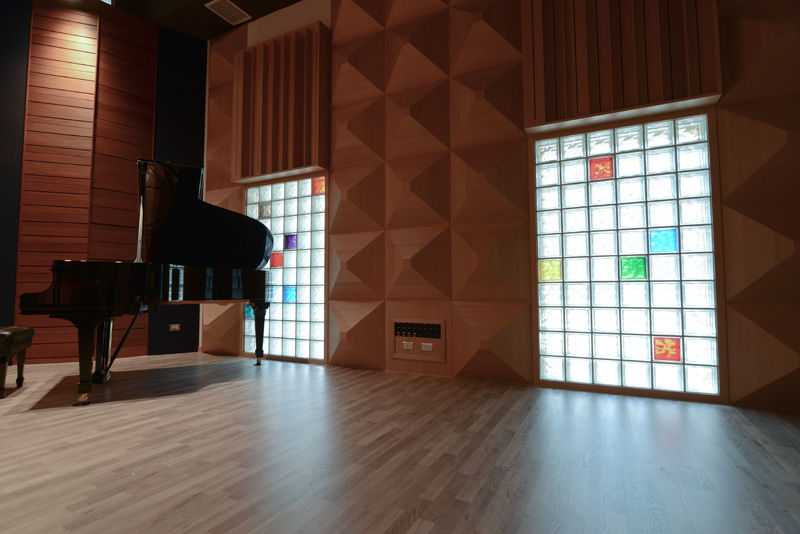
- Six-metre ceiling with carefully engineered room acoustics
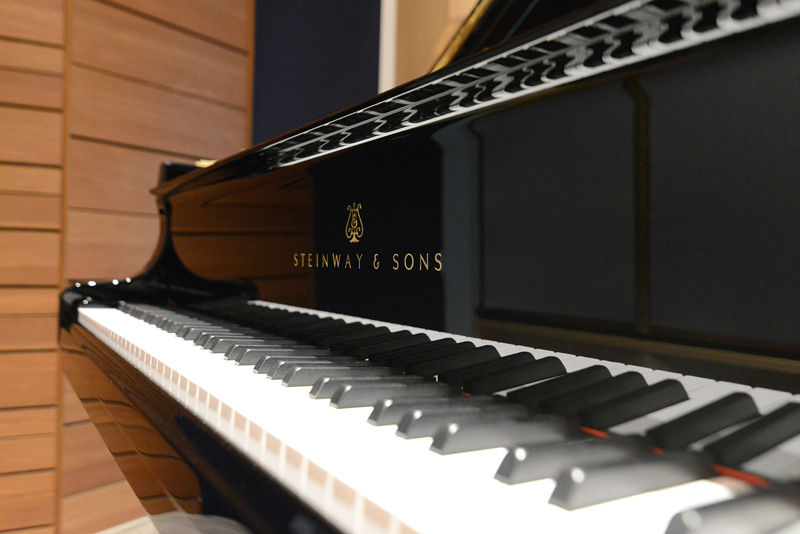
- New Steinway grand piano, built in Hamburg, Germany
- Two isolated recording rooms for simultaneous tracking
- Full-size control room with Dolby-certified monitoring
- Easy MRT access with parking directly across the street
Tel
02-2367-9588 (appointment required)
Email
ffstudio25@gmail.com
Address
No. 210, Shida Rd., Zhongzheng Dist., Taipei City 10088, Taiwan
MRT
7-minute walk from Taipower Building Station, Exit 4 or 5
Parking
Taipei Hakka Culture Park car park, directly across from the studio
(Taipei City car park; EasyCard accepted)
(Taipei City car park; EasyCard accepted)
Hours
Monday–Sunday, 10:00–22:00


About the Studio
ff studio was established in 2014 on Section 4, Xinyi Road and moved to Shida Road in 2016. The name comes from fortissimo—‘very loud’ in classical notation. The two f’s also evoke the symmetrical f-holes of a string instrument, while Beethoven’s Symphony No. 6 in F major, the ‘Pastoral’, is one of our recording engineer’s favourite works.We believe every great recording begins with the room, followed by the instrument and the equipment. The room is also the most difficult and costly part to perfect. ff studio therefore commissioned internationally renowned studio designer John Sayers and invested more than NT$10 million in its construction. The result is a Dolby-certified immersive-audio studio with a rare six-metre-high live room. Purpose-selected materials, specialised construction, detailed acoustic design, full sound isolation and silenced air conditioning create the openness of a concert hall without the background noise. Its natural acoustics are exceptionally well suited to piano, strings, winds, percussion and vocal recording.
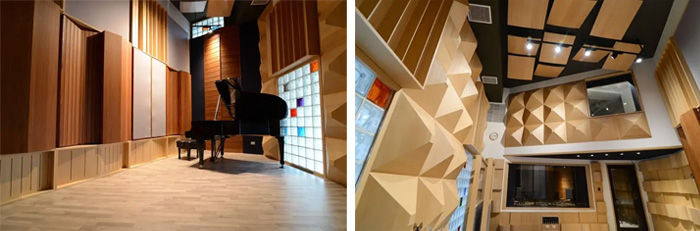
A large live room and a separate booth, linked by a window, allow an ensemble to perform together while sources are tracked in isolation.
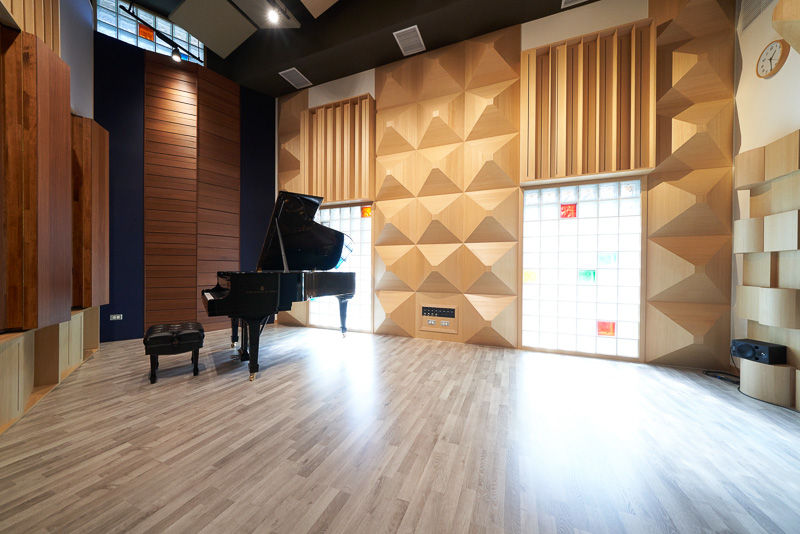
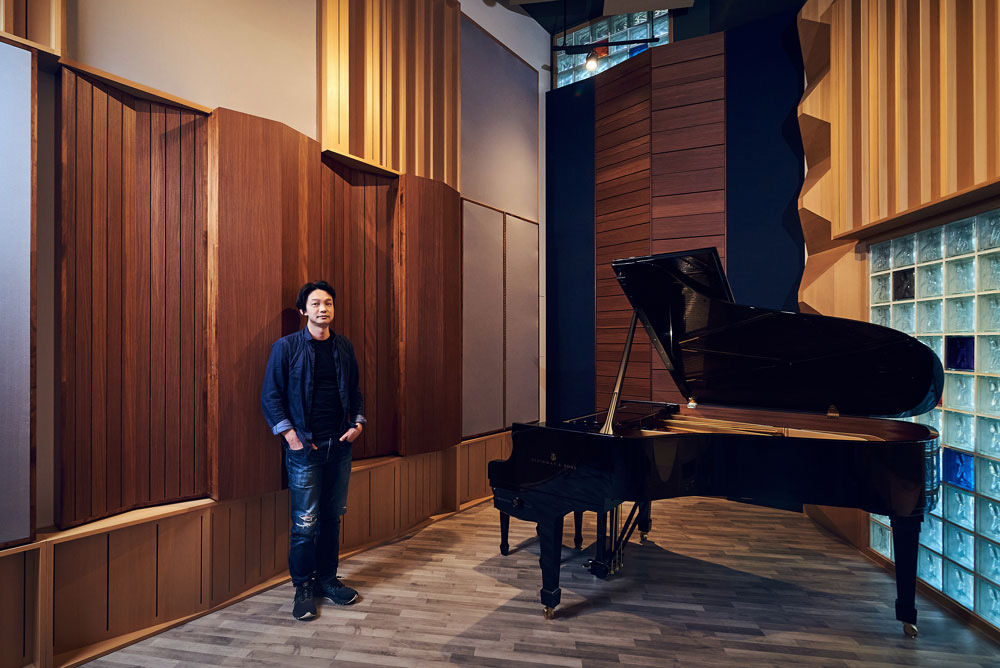
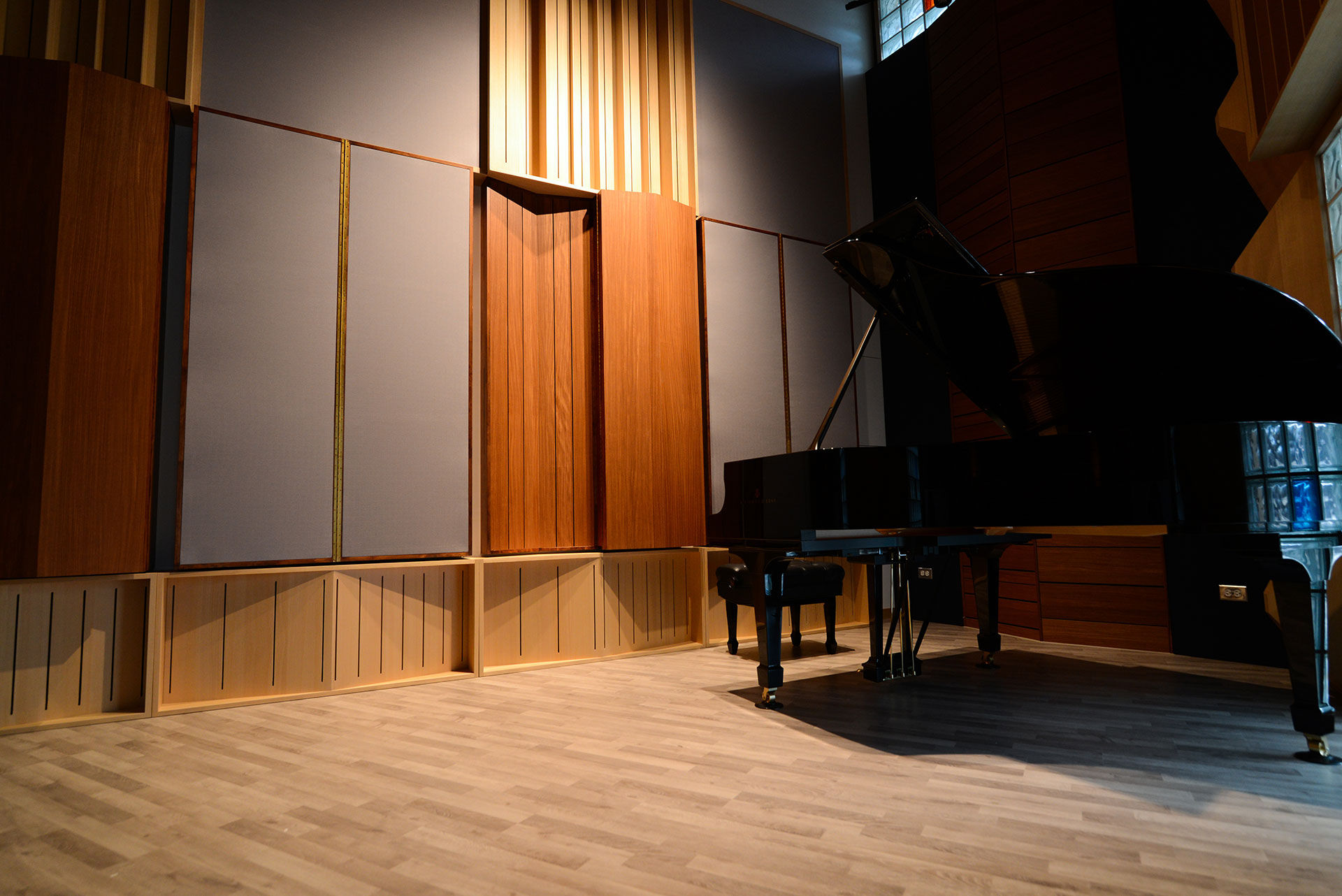
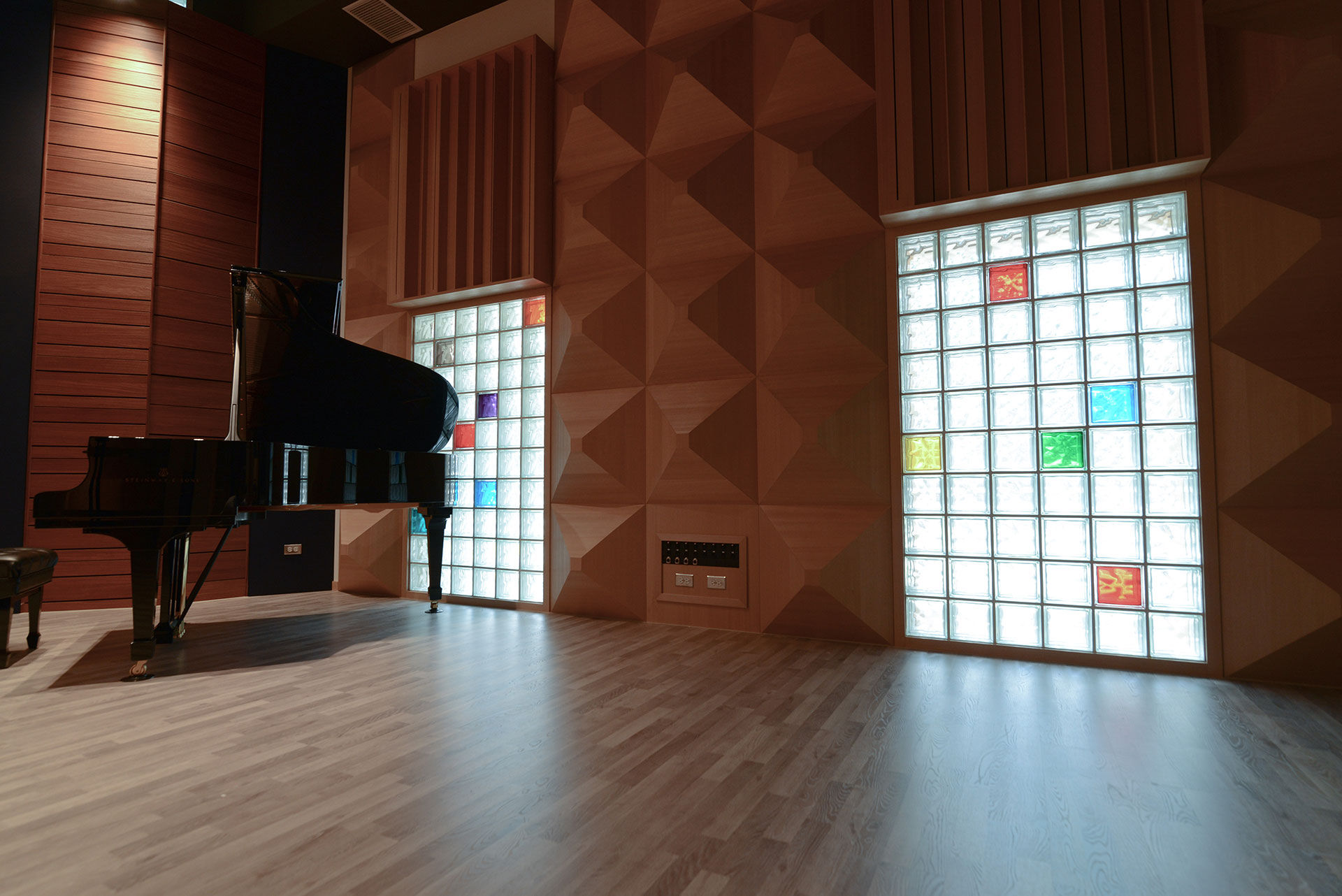
The six-metre-high Live Room offers fully designed acoustics with the spacious response of a concert hall.
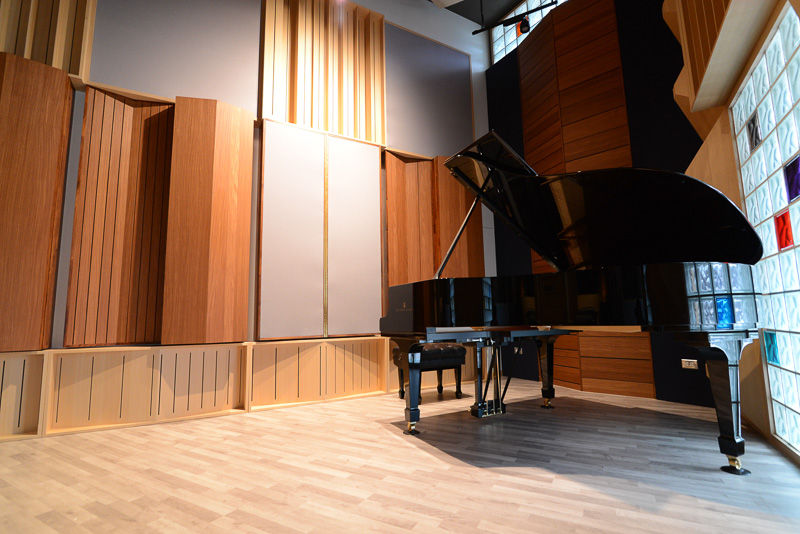
Live room
The Vocal Booth provides a second isolated space for simultaneous tracking.
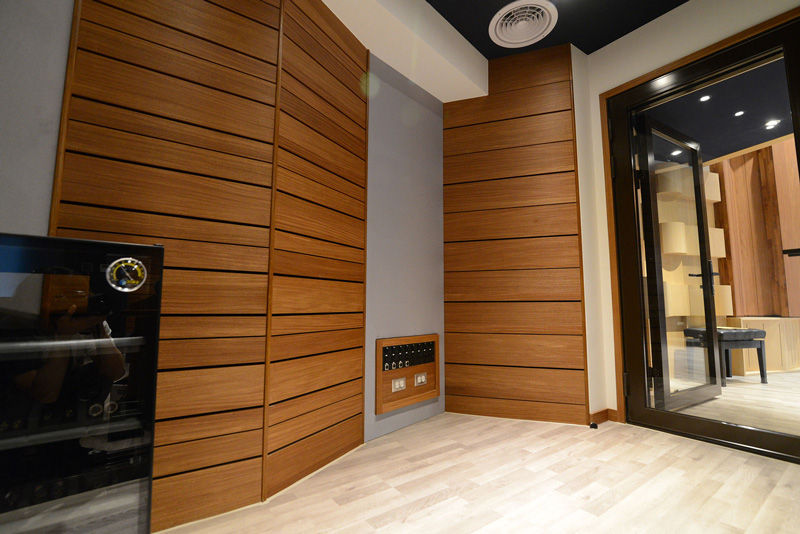
vocal booth
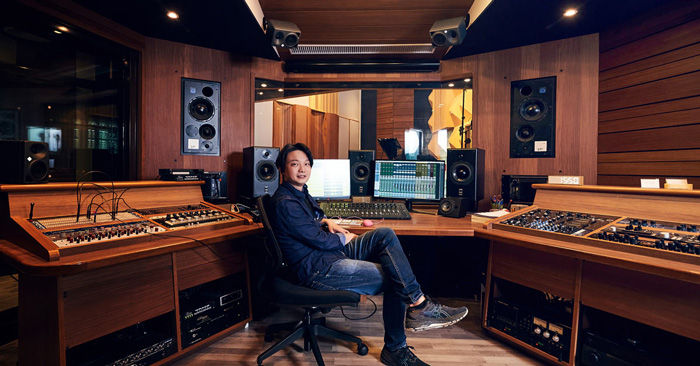
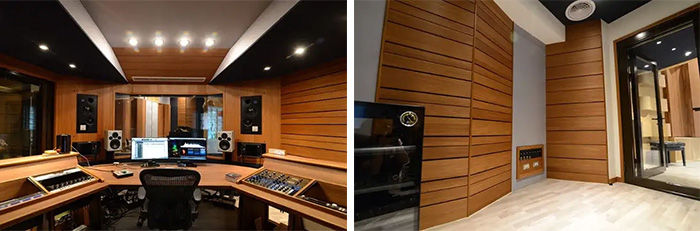
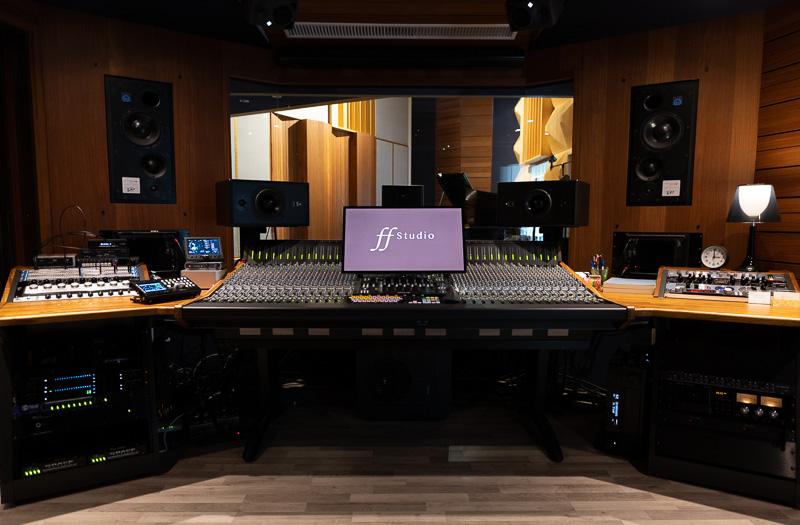
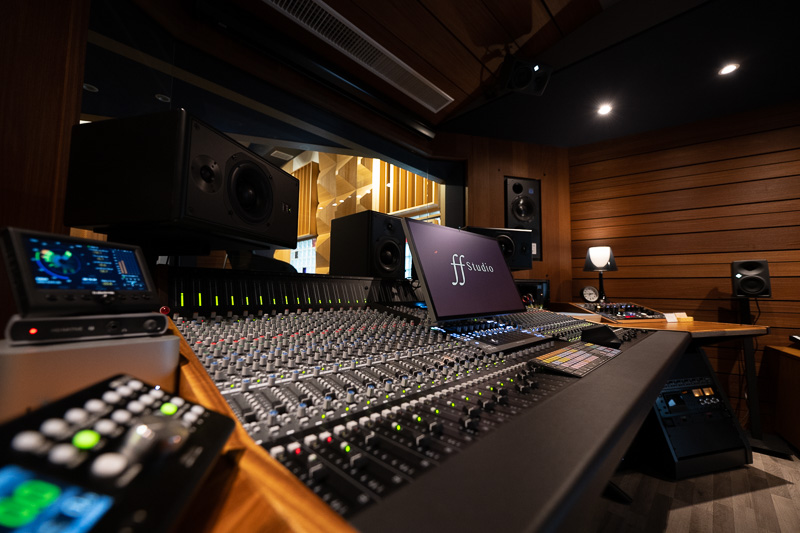
The Control Room has professional geometry and acoustic treatment and is a Dolby-certified 7.1.4 immersive mixing room.
A new Steinway & Sons A-188 grand piano, built in Hamburg and chosen by leading performers worldwide.
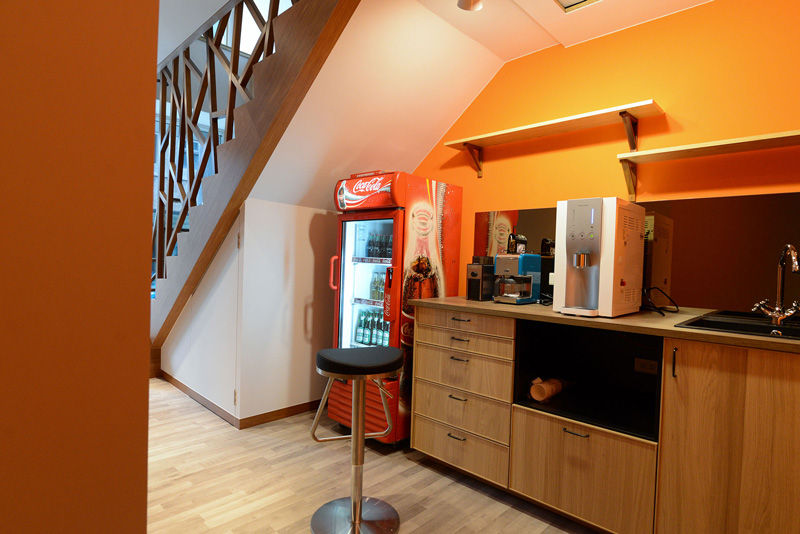
Pantry
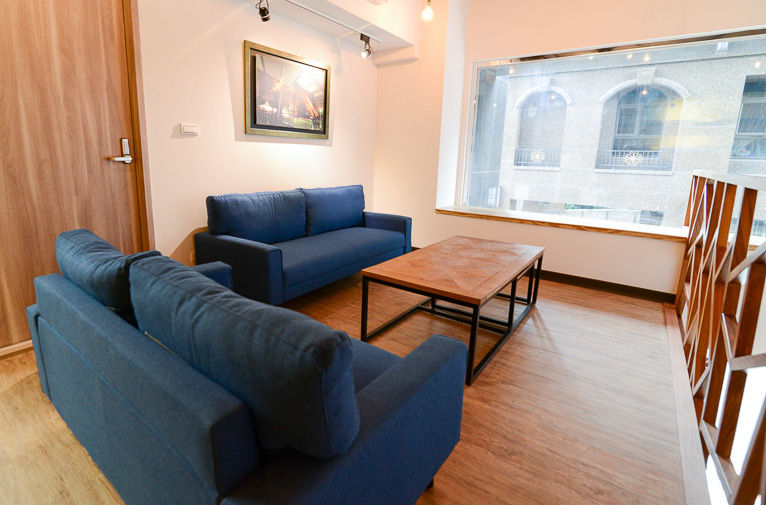
Comfortable upstairs lounge
The score for Hou Hsiao-hsien’s The Assassin, winner of the 2015 Cannes Soundtrack Award, was recorded at ff studio.
Netflix’s Arcane, winner of four Emmy Awards, nine Annie Awards and an American Music Award, was recorded at ff studio.

Sound Engineer
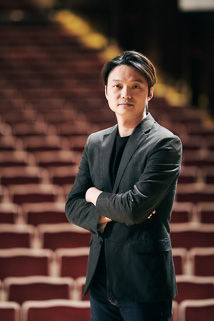
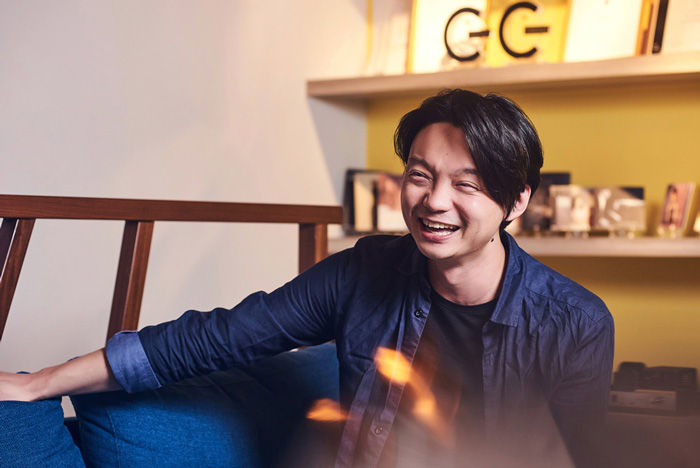
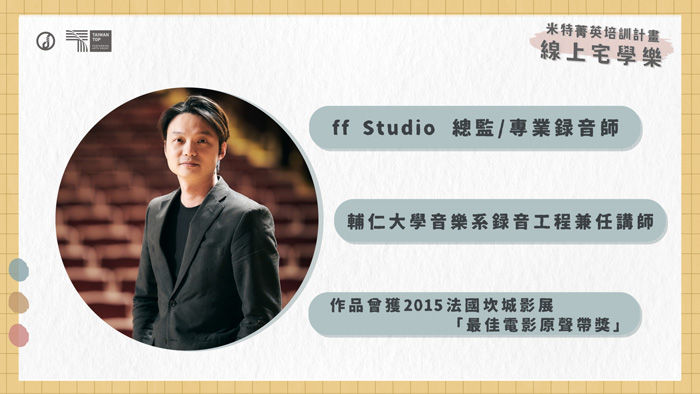
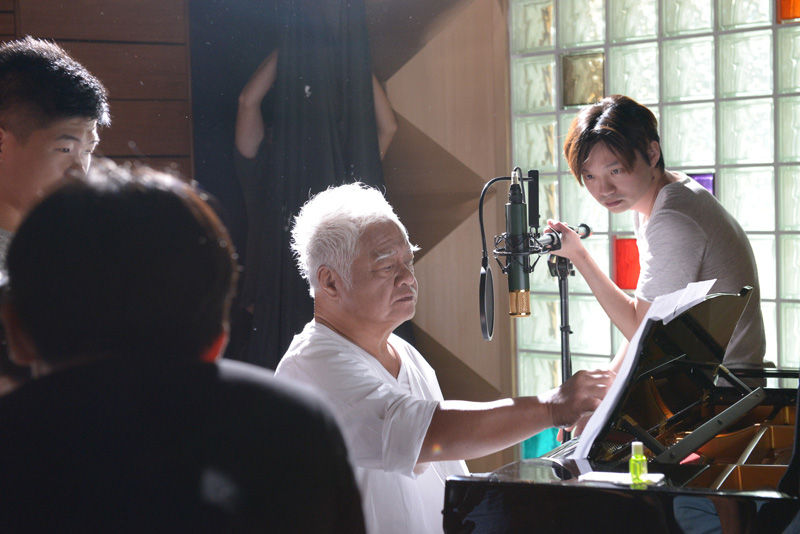
Studio Director / Recording Engineer — Tso Hsing
- Recording engineer on a 2015 Cannes Soundtrack Award-winning production
- Recording work featured in productions that received four Emmy Awards, nine Annie Awards and an American Music Award
- Recording work featured in a film nominated for the Golden Lion at the 2024 Venice International Film Festival
- Recording work featured in a film nominated for a Golden Calf at the 2024 Netherlands Film Festival
- Nominated for Best Recording — Instrumental Album at the 30th Golden Melody Awards
- Nominated for Best Recording — Vocal Album at the 31st Golden Melody Awards
- Album producer and recording engineer for the National Taiwan Symphony Orchestra, using Dolby Atmos production workflows
- Represented Taiwan as an audio engineer and artist at an international symposium at IRCAM, Centre Pompidou, Paris
- Advanced Violin Diploma, CRR de Rueil-Malmaison, France (Prix Supérieur)
- Advanced Chamber Music Diploma, CRR de Rueil-Malmaison, France (Prix d’Excellence)
- Avid-certified Pro Tools 101, 110 and 201
- Apple Certified Pro — Final Cut Pro X
- Adjunct Lecturer in Audio Engineering, Department of Music, Fu Jen Catholic University, 2016–2025
Selected Credits
- Hou Hsiao-hsien’s The Assassin — winner of the 2015 Cannes Soundtrack Award
Score recording engineer - Recording engineer for Netflix’s Arcane in collaboration with violinist Ray Chen; winner of the 2022 Emmy Award for Outstanding Animated Program
- Recording engineer for Mongrel, nominated for the Golden Lion at the 2024 Venice International Film Festival and Best Original Film Score at the 61st Golden Horse Awards
- Recording engineer for Agnes, nominated for a Golden Calf at the 2024 Netherlands Film Festival
- Ou Chia-wen, Flute in Light and Shadow, a classical/jazz crossover album — recording, editing, mixing and mastering; nominated for Best Crossover Album at the 34th Golden Melody Awards for Traditional Arts and Music
- Peggy Hsu, City of Lost Things — album recording; nominated for Best Recording — Vocal Album at the 31st Golden Melody Awards
- Skyline, City Explorers — album recording; nominated for Best Recording — Instrumental Album at the 30th Golden Melody Awards
- Chang Han-ya, Wang — jazz-trio recording; nominated at the 29th Golden Melody Awards
- Green Jail — film-score recording; nominated for Best Music at the 2021 Taipei Film Awards
- National Taiwan Symphony Orchestra — five Dolby Atmos albums in 2022; recording, editing, mixing and mastering
- National Taiwan Symphony Orchestra — six albums in 2024; recording, editing, mixing and mastering
- National Taiwan Symphony Orchestra — multiple 4K/5G productions; recording, editing and mixing
- Three Tears in Borneo — orchestral score and soundtrack; recording, editing, mixing and mastering
- Taiwan Music Academy & Festival Orchestra, 2022–2024 — audio and video recording, plus mixing
- Flute virtuoso János Bálint — recording and mixing
- Queen Elisabeth Competition laureate Ray Chen — solo violin recording
- Queen Elisabeth Competition second-prize winner Tatsuki Narita — recording, editing and mixing
- Tchaikovsky Competition silver medallist Yu-Chien Tseng — recording and editing
- Chin-Chuan Chang, Obsession — piano album; recording and editing
- Chia-Hung Lin, Jardin Poétique — piano album; recording, editing, mixing and mastering
- Yen-Chih Lin, Bonjour, Claude — piano album; recording, editing, mixing and mastering
- Lev Solodovnikov — complete Ysaÿe solo-violin album; recording, editing, mixing and mastering
- Yun-Yang Li — piano album; recording, editing, mixing and mastering
- Belle Ting, Impression — violin album; recording, editing, mixing and mastering
- Ming-Yi Tsai, Tango Tangible — tango album; recording, editing, mixing and mastering
- Chih-Jung Hsu — violin and piano album; recording, editing, mixing and mastering
- Chao-Lun Lu / René Izquierdo, Arpeggione — recording, editing, mixing and mastering
- MIT Saxophone Ensemble — self-titled debut album; recording, editing, mixing and mastering
- Tzu-Chieh Shen, Island Journey — saxophone album; recording, editing, mixing and mastering
- Tzu-Chi Nieh, Evolution — trumpet album; recording, editing, mixing and mastering
- HERA Hsu — piccolo and flute album; recording, editing, mixing and mastering
- Mei-Hui Wang — piano album; recording, editing, mixing and mastering
- Joanna Li, Chinese Piano Works / Liszt (Hong Kong) — recording, editing, mixing and mastering
- Yi-Ching Wu, Zheng Feng Xiang Dui — selected recording and mixing, plus mastering
- Yi-Chen Huang, Journey Through the Stars — flute album; recording, editing, mixing and mastering
- Taipei Universiade Opening Ceremony concert — recording
- EVA Air Boeing 787 launch ceremony music — mixing
- LG online campaign featuring Eric Chou, Eve Ai and Lara — recording
- The Inspired Island: Wu Sheng — He Is Still Young documentary; recording
- V.K, Lethe mobile-game music — recording
- Chio-Tian Folk Drums & Arts Troupe, Kingdom of Dadu — recording
- Ara Kimbo television series — piano and vocal recording
- Omotenashi, Taiwan–Japan co-production — score recording and mixing
- The Inspired Island: Lin Wen-yue — piano recording
- Uni-President Noodle House online campaign — recording and mixing
- Uni-President Milk Tea graduation song featuring Wei Fang Hsu — recording, editing and mixing
- National Taiwan University Department of Foreign Languages graduation production, Six Characters in Search of an Author — score recording
- KHS Majestic marimba official demo — recording, editing and mixing
- Content Digital Film Co. — recording
- Cicada, Waves Touching Pebbles, from the album Light Shining Through the Sea — recording, editing and mixing
- Shiseido advertising music — recording, editing and mixing
- Sessions with international artists including Pascal Rogé, Boris Berman, Nicolai Saratovsky, Enrico Pompili, Nicolas Moutier and Jérôme Grandjon
Tso Hsing attended music programmes from childhood and later majored in psychology at university. After graduating, he changed direction and studied violin and chamber music at the CRR de Rueil-Malmaison in France, completing his studies in 2010. He now teaches in the Department of Music at Fu Jen Catholic University and at Taoyuan Ximen Elementary School’s music programme, while serving as director of ff studio and leader of Ensemble d’Etoile.
At the CRR de Rueil-Malmaison, he earned an advanced violin diploma, first prize in advanced chamber music and the Prix d’Excellence in chamber music. He also studied musicianship, orchestration and analysis. His teachers in France included Maurice Moulin, Dominique Barbier and Nicolas Miribel, and he participated in masterclasses with Gérard Poulet and tango specialist Eric Ledeuil.
His professional musicianship, performance experience, knowledge of orchestration and score analysis allow him to shape recordings musically and communicate practical guidance to performers. He is the director and recording engineer of ff studio, holds Avid Pro Tools 101, 110 and 201 certifications and is an Apple Certified Pro in Final Cut Pro X. His film-score work includes Hou Hsiao-hsien’s The Assassinwhich received the 2015 Cannes Soundtrack Award.
He founded and leads Ensemble d’Etoile, known for French repertoire and classical crossover programmes. The ensemble has appeared at presidential inauguration events, the European Film Festival opening, French song competitions, Taipei Fringe Festival and numerous cultural and corporate engagements. He has also been interviewed by radio stations and MUZIK magazine, and released the albums Ensemble d’Etoile and La Promenade.
Outside music, he is also an accomplished photographer; his work has appeared on the covers of both English- and Chinese-language books.
MORE
FOLD
At the CRR de Rueil-Malmaison, he earned an advanced violin diploma, first prize in advanced chamber music and the Prix d’Excellence in chamber music. He also studied musicianship, orchestration and analysis. His teachers in France included Maurice Moulin, Dominique Barbier and Nicolas Miribel, and he participated in masterclasses with Gérard Poulet and tango specialist Eric Ledeuil.
His professional musicianship, performance experience, knowledge of orchestration and score analysis allow him to shape recordings musically and communicate practical guidance to performers. He is the director and recording engineer of ff studio, holds Avid Pro Tools 101, 110 and 201 certifications and is an Apple Certified Pro in Final Cut Pro X. His film-score work includes Hou Hsiao-hsien’s The Assassinwhich received the 2015 Cannes Soundtrack Award.
He founded and leads Ensemble d’Etoile, known for French repertoire and classical crossover programmes. The ensemble has appeared at presidential inauguration events, the European Film Festival opening, French song competitions, Taipei Fringe Festival and numerous cultural and corporate engagements. He has also been interviewed by radio stations and MUZIK magazine, and released the albums Ensemble d’Etoile and La Promenade.
Outside music, he is also an accomplished photographer; his work has appeared on the covers of both English- and Chinese-language books.
Price List
Studio Rental
Studio Rates
| Service | Rate | Details |
|---|---|---|
| Recording / Mixing Studio (piano not included) |
NT.2,000 /hr NT.16,000 /day |
Suitable for tracking and stereo mixing. Billing begins at the reserved start time and ends when the client leaves the studio. Minimum booking: 2 hours. A day rate covers up to 10 hours; additional time is NT$1,600/hr. |
| Recording / Mixing Studio (piano included) |
NT.2,500 /hr NT.20,000 /day |
Includes the Steinway & Sons A-188 concert grand, built in Hamburg, Germany. Billing begins at the reserved start time and ends when the client leaves the studio. Minimum booking: 2 hours. A day rate covers up to 10 hours; additional time is NT$2,000/hr. |
| Dolby Atmos Mixing Studio (piano not included) |
NT.2,500 /hr NT.20,000 /day |
ff studio is a Dolby-certified Dolby Atmos Music Studio. Includes a projector and monitoring up to 7.1.4 channels. Billing begins at the reserved start time and ends when the client leaves the mixing room. Minimum booking: 2 hours. A day rate covers up to 10 hours; additional time is NT$2,000/hr. |
| Rehearsal (piano included) |
NT.1,500 /hr | Live Room access for rehearsals, individual practice or ensemble practice only. Audio and video recording are not permitted. Includes the Steinway & Sons A-188 grand piano, music stands and chairs; other studio equipment is not included. |
In-House Recording Engineer
NT.500~1,500 /hrStudio Policies
- Rental includes the ground-floor studio and upstairs lounge, totalling approximately 165 m². All studio equipment except camera equipment may be used. Food and drinks are prohibited in the recording areas.
- The upstairs lounge is reserved for the client during the booked session. Use extending more than 30 minutes beyond the booking will be charged as studio time.
- The studio is equipped with a new Steinway & Sons A-188 grand piano built in Hamburg. Touching the strings and prepared-piano techniques are prohibited. Do not place objects on the piano.
- Pre-session piano tuning is available with advance notice through our designated Steinway technician at NT$3,000 per tuning. Tuning time is not charged as studio time.
- All recording areas are monitored by video. ff studio may stop a session immediately if instruments or equipment are handled improperly. Clients are responsible for the full cost of damage caused by misuse.
- Film and production crews incur an additional charge; please contact us. Removing the piano cover constitutes piano use. Only studio staff may open, close or move the piano.
- A 30% deposit is required to reserve a session. All listed prices exclude tax.
Post-Production Rates
Editing
| Service | Rate | Details |
|---|---|---|
| Editing |
NT.2,500 /hr NT.20,000 /day |
Includes studio time and an engineer. Includes comping and edits, timing correction, pitch correction and a rough mix. |
Mixing (editing not included)
| Service | Up to 5 min. | Over 5 min. |
|---|---|---|
| 1–2 parts | NT.7,000 /piece | NT.1,400 /min |
| 3–4 parts | NT.9,000 /piece | NT.1,800 /min |
| 5–6 parts | NT.11,000 /piece | NT.2,200 /min |
| 7–8 parts | NT.13,000 /piece | NT.2,600 /min |
| Commercial Song Mix | NT.18,000-30,000 /piece | NT.3,600-6,000 /min |
| Large-Ensemble Mix | NT.20,000-30,000 /piece | NT.4,000-6,000 /min |
Mastering
| Service | Rate | Details |
|---|---|---|
| Mastering |
NT.3,000 /piece NT.30,000 /disc |
The final stage of production: processing the completed stereo mix, setting the final loudness to meet platform standards such as iTunes and YouTube LUFS targets, and maintaining sonic consistency across an album. |
Audition & Competition Recording Packages
For classical-music audition and competition submissions only. No editing or pitch correction is performed.
We have extensive experience helping students prepare successful submissions for the Tchaikovsky Competition, Chopin Piano Competition, Hamamatsu International Piano Competition, Conservatoire de Paris, Curtis Institute, The Juilliard School and many other international competitions, conservatories and scholarships.
| Service | Rate | Details |
|---|---|---|
| Studio Recording (engineer and piano included) |
NT$2,500/hr | Recorded multitrack. Billing includes equipment setup and adjustment, performer breaks and playback review, from the reserved start time until departure. Minimum booking: 2 hours; additional time is billed in 30-minute increments. |
| Audio Processing (required) |
NT$2,500/hr | A rough mix only—no editing—so competition rules remain unaffected. Processing time is billed at three times the total programme duration, regardless of recording time. Example: a 20-minute programme requires one hour of processing. Minimum charge: 30 minutes. |
| Synchronized Video Recording (single locked-off camera) |
NT$1,000/take NT$500/take |
First selected take: NT$1,000; each additional selected take: NT$500. Each uninterrupted video counts as one take, with no duration limit. Only selected takes are charged. For five or more takes in one session, one take is free. |
- The studio has a new Steinway & Sons A-188 grand piano. Touching the strings and prepared-piano techniques are prohibited. The engineer may stop the session if the piano is handled roughly; clients are responsible for any damage.
- Pre-session piano tuning is available with advance notice through our designated Steinway technician at NT$3,000 per tuning. Tuning time is not charged as studio time.
- Video delivery requires three business days. Programme titles can be added when supplied by the client.
- Downloadable MP4 video and WAV audio files are provided.
- A NT$3,000 deposit is required to reserve a session, with the balance due on the recording date. All listed prices exclude tax.
On-Location Concert Audio & Video Packages
Professional studio-grade audio and camera equipment for high-quality concert documentation.
| Service | Rate | Details |
|---|---|---|
| Single-Camera Video + Stereo Recording | NT$16,000/concert | One fixed-position professional 4K camera, with stereo audio captured using premium DPA microphones. Includes downloadable 4K files and one USB drive. |
| Optional Add-Ons | ||
| Audio Post-Production | +NT.3,500 | Valid when the same instrumentation is used throughout the concert; different instrumentations are quoted separately. A preview can be supplied before the client decides whether to process the entire concert. |
| Multitrack Recording | +NT.4,000 | Add NT$4,000 for each additional pair of premium DPA microphone channels. Contact us for large-ensemble packages. |
| Two-Camera Video | +NT.6,000 | All cameras record in 4K; includes an additional fixed wide shot and multicamera video editing. |
| Three-Camera Video | +NT.12,000 | All cameras record in 4K; includes an additional fixed wide shot and multicamera video editing. |
| Four-Camera Video | +NT.18,000 | All cameras record in 4K; includes an additional fixed wide shot and multicamera video editing. |
| Large Symphony Orchestra | Contact us | Professional multitrack orchestra recording and multicamera editing, available with up to seven cameras. |
| Score Reader + Live Director | Contact us | Please provide a full score at least one month in advance. A professional score reader prepares camera cues, then communicates with the live director and camera operators by radio so important parts are framed before each musical entrance. |
| Livestream Concert | Contact us | A dedicated internet connection may be arranged depending on the venue. Uses a multicamera live-production system; advance booking is required. |
- Rates cover a concert of up to two hours, including intermission. Longer events are charged proportionally. Travel is additional outside Greater Taipei. Setup begins two hours before the concert; contact us if additional rehearsal coverage is required.
- Video production includes audio/video synchronization, programme titles and a simple opening title. Additional editorial work is billed at the professional video-editing hourly rate.
- Please email print-ready poster artwork in Adobe Illustrator format and the programme text to ffstudio25@gmail.com
- A NT$3,000 deposit is required to reserve a session, with the balance due on the recording date. All listed prices exclude tax.
Online Auditions & Streaming
Online Video Services
| Service | Rate | Details |
|---|---|---|
| Online Video Services Audition / Masterclass |
NT.3,500 /hr |
Professional recording equipment and a camera are combined into the outgoing video feed; speakers and a display are provided for the incoming feed.
Setup and testing begin at least one hour before the official connection and may also serve as rehearsal time. Setup is billable. Minimum booking: 2 hours; additional time is billed in 30-minute increments. |
| After-Hours Surcharge |
NT.1,000 /hr |
Applies outside normal business hours of 10:00–22:00. |
| Audio/Video File Processing | NT.2,000 /30mins | Additional processing for up to 30 minutes of synchronized audio and video; includes downloadable Full HD files. |
In-Studio Livestream Concert
| Service | Rate | Details |
|---|---|---|
| In-Studio Livestream Concert | NT.16,000 /4hrs |
Four-hour studio booking including rehearsal, with downloadable Full HD files. Professional studio audio capture and post-production, paired with professional cameras, livestream equipment and lighting. Client supplies the YouTube account; privacy settings are supported. |
Equipment List
Grand Piano
Steinway & Sons Model A-188-Made in Hamburg, Germany
Drums
SAKAE TrilogyVintage Drum Set-Made in Japan
1st set:
22"x16" Kick
16"x16" Floor Tom
13"x9" Tom
12”x8" Tom
2nd set:
18"x14" Kick
14"x14" Floor Tom
12"x8" Tom
10”x7" Tom
Snare:
14”x6.5" Snare
Pedal:
DW9000 Single Bass Drum Pedal
Microphones
DPA 4006 Stereo Pair x2DPA 2006 Stereo Pair
DPA 4011 Stereo Pair x2
DPA 4099V
DPA 4099C
DPA 4099U
DPA 4099P
Schoeps MK2H Stereo Pair
AKG C12 VR
Neumann U87 Ai x2
Neumann KM143 Stereo Pair
Neumann KM184 Stereo Pair
Austrian Audio Oc818 Pair
sE Electronics sE4400a Stereo Pair
sE Electronics sE5 Stereo Pair
Aston Starlight Stereo Pair
Mesanovic Model 2S(Ribbon)
AEA N8 Stereo Pair(Ribbon)
Shure SM57
Shure SM58
Shure Beta52
Audix D6
Audix D4
Audix D2 x2
Audix i5
Console
Solid State Logic SSL ORIGIN 32Analog Studio Console
Mic Pres
SSL’s new PureDrive mic preamps (32ch)Grace Design m801 (8ch)
Millennia HV-3D (8ch)
Outboards
SSL E-Series parametric EQ (32ch)
Bricasti M7
Millennia NSEQ-2
Manley Nu Mu
SSL Fusion
Tascam 112 MKII Tape Recorder
AD/DA
AVID MTRX STUDIO x2Forssell MADA-2a
LE LAVRY4496 MAD-824
Interfaces
AVID MTRX STUDIO x2with Avid HD Native Thunderbolt
RME UFX
RME UFX II
Monitoring
ATC SCM50ASL Pro (Main)
ATC SCM20ASL Pro (L/C/R)Genelec 7060B (Woofer)
Neumann KH80 DSP x8 (Surround/Top)
YAMAHA NS-10M Studio
YAMAHA HS5
AKG K240 studio x2
SHURE SRH440 x7
SHURE SE215 x4
SONY MDR-7506
Beyerdynamic DT770 PRO x4
Monitor Controller
Grace Design M908 (Surround)
Dangerous Music D-BOX
Personal Monitor System
Hear Technologies Hear BackPlugins
Plugin AllianceUAD 2
Fabfilter
Izotope
Celemony Melodyne Studio
Eiosis
FLUX::
Waves
Soundtoys
Audio Ease Altiverb 7 XL
LiquidSonics
SPAT Revolution
Zynaptiq
Plug And Mix
Acoustica Audio
DAW
Pro Tools | UltimateSequoia 13
DSP-Quattro
System
MAC STUDIO M1 Ultra OS X 12Others
SSL UF8 Advanced DAW ControllerTC Electronic Clarity M V2
Press
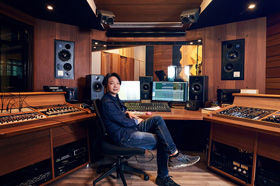
Interview with ff studio director Tso Hsing: ‘As a recording engineer and performer, I know what matters most’ — Proposal, December issue: Play & Listen to the City Music
2022-12-09
Eslite Proposal
In episode three of the online music-learning series, ff studio director Tso Hsing—who produced MIT Saxophone Ensemble’s 2018 self-titled debut album—explains recording and mixing from an engineer’s perspective and discusses challenges performers commonly encounter in the studio.
MORE
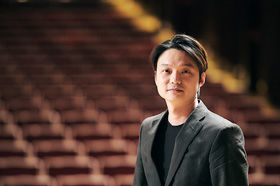
Tso Hsing, Director of ff studio — How to Record Winds Well? A Conversation with a Professional Recording Engineer | MIT Saxophone Ensemble Online Academy, Ep. 3
2022-11
MIT Saxophone Ensemble
In episode three of the online music-learning series, ff studio director Tso Hsing—who produced MIT Saxophone Ensemble’s 2018 self-titled debut album—explains recording and mixing from an engineer’s perspective and discusses challenges performers commonly encounter in the studio.
MORE
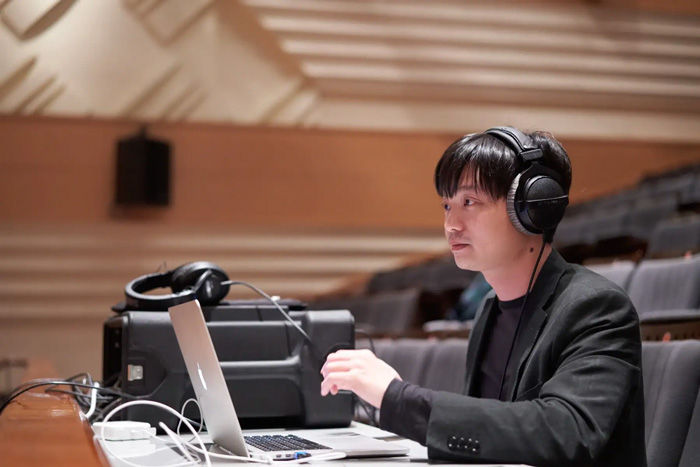
The Art of Recording Only a Musician Can Hear: An Interview with ff studio Recording Artist and Violinist Tso Hsing
2019-08-19
Out of
After studying psychology, Tso Hsing pursued violin and chamber music at a French conservatoire and earned advanced performance diplomas. Back in Taiwan, his experience teaching violin and recording concerts gave him an unconventional perspective—and the conviction that he could capture live sound beautifully.
MORE
ff studio Sets a New Standard for Professional Recording in Taiwan
2018-01-18
PR Newswire
Located on Shida Road in Taipei, ff studio is Taiwan’s first professional recording studio with a six-metre ceiling. Designed by internationally renowned studio designer John Sayers, its live room uses height and carefully angled surfaces to create spacious, natural acoustics.
MORE
Contact
Tel
02-2367-9588 (please call for an appointment)
Email
ffstudio25@gmail.com
Address
No. 210, Shida Rd., Zhongzheng Dist., Taipei City 10088, Taiwan
MRT
7-minute walk from Taipower Building Station, Exit 4 or 5
Parking
Taipei Hakka Culture Park car park across the street (Taipei City car park; EasyCard accepted)
Business Hours
Monday–Sunday, 10:00–22:00